Blog
/
Brand Camp Recap: Podcast Growth in 2026 With CoHost and The Podglomerate

Brand Camp Recap: Podcast Growth in 2026 With CoHost and The Podglomerate

What does podcast growth really look like in 2026? Get the key takeaways, metrics, and promotion strategies from Quill, CoHost, and The Podglomerate.
January 29, 2026
Contents

Launching a podcast has never been easier. Growing one? That’s where things get hard. 

You can spend months perfecting your format, booking incredible guests, and shipping great episodes, but without the right promotion and measurement, it’s hard to know if any of it is actually working. 

That’s exactly why we teamed up with CoHost and The Podglomerate to host “Podcast Growth in 2026: The Do’s, the Don’ts, and the Data Behind It.” In this webinar, Fatima Zaidi (Founder & CEO of Quill and CoHost) sat down with Jeff Umbro (CEO & Founder of The Podglomerate) to break down what podcast growth really looks like right now and what’s quietly holding many shows back.

Over the course of the hour, we dug into:

  • Actionable promotion strategies: From launch-day plays to always-on marketing that keeps audiences coming back
  • The metrics that matter: How to measure the impact of your promotion efforts and identify what’s truly moving the needle
  • Real-world examples: What’s working (and what’s not) for podcast growth in 2026, straight from the field

In case you couldn’t make it live, tune into the recording below or continue reading for the top takeaways:

The three key areas of podcast growth

Jeff and Fatima kicked things off with a simple but important framework: three questions to ask every podcast client:

  • “What do you want this podcast to do for you?”
  • “What will your listener get from this show?”
  • “How are you measuring whether this is actually working?”

Those questions lead directly to the three core areas that determine whether a podcast is truly growing:

1. Are you reaching the right people?

It’s not a hot take anymore, but we’ll say it again: driving downloads isn’t that hard. As Jeff put it, If you really only care about downloads, you can buy them.” 

The problem? Volume doesn’t equal listenership, and most brands don’t want exposure for exposure’s sake.

Real growth starts with clarity. Fatima framed it perfectly: “It’s better to be something to someone than everything to everyone.”

When you know exactly who your podcast is for, your marketing gets sharper, your messaging gets clearer, and your promotion actually converts. That means asking:

  • Where does your audience already spend time?
  • What other podcasts and media do they consume?
  • Which platforms help you reach listeners, not just impressions?

It also means balancing paid, owned, and earned channels rather than relying on generic ad tactics that look good on a dashboard but don’t translate to loyal listeners.

2. How engaged are they?

Downloads might tell you someone pressed play, but they don’t tell you if anyone stayed. To understand engagement, Jeff and Fatima emphasized looking into your podcast hosting and analytics platform data to see: 

  • Are listeners returning for future episodes?
  • Which episodes are people actually finishing?
  • Where do drop-offs happen?

Podcast analytics tools like CoHost offer consumption and listening-time metrics that reveal what’s resonating and what’s not. Too many ads? Episodes too long? Guests that miss the mark? Engagement data will let you know.

3. Are they sticking around?

Retention is where growth compounds. If people aren’t coming back, no amount of promotion will save you.

This is where data becomes a feedback loop. As Jeff explained, once you understand how your audience behaves, that insight should actively shape:

  • Your editorial strategy
  • Your episode structure and cadence
  • Your ongoing marketing approach

Make changes, track the impact, and then look back at the same metrics to see what moved the needle. Growth isn’t about chasing one-off spikes; it’s about building something people choose to return to.

Creating your ideal listener profile

Before you start planning episodes, booking guests, or designing your promotion strategy, you need to get crystal clear on who your podcast is actually for. That’s where creating an ideal listener profile comes in.

Start with specificity

Fatima explains: “The more specific that you can get, the better. Narrowing down your audience isn’t just more impactful, it’s easier to grow.”

For example, instead of targeting “all marketers,” you might focus on senior-level marketing managers at medium-sized tech brands. This specificity makes everything easier: episode topics, guest selection, titles, and promotion channels. A focused target allows you to speak directly to the people who are most likely to engage.

Use data to guide decisions

It’s not enough to guess who your listeners are; you need to measure it. As Fatima points out, “So many people making podcasts make decisions without actually looking at their data. What is it telling you about your audience?”

Look at your hosting platform or analytics tools to uncover who is listening, how they consume content, and what channels they prefer, whether that’s YouTube, LinkedIn, TikTok, or Spotify. 

You can tailor your editorial strategy to include guests and topics that resonate with the interests of your audience. In one example, Fatima shares how Quill has a client who speaks to founders, and after reviewing demographic data, they found the audience was also interested in health and fitness. So, they brought on founders from within the health and fitness space. The result? Consumption increased along with retention. 

Build and refine your personas

Your ideal listener profile isn’t static. Start by defining a few personas, for example:

  • Young marketing professional at an agency
  • Freelance social media manager
  • Team leader managing a medium-sized marketing team

From there, use surveys, beta tests, and audience feedback to validate and refine your assumptions. Analytics will tell you if you’re reaching the right people, and engagement data will show if they’re sticking around.

In short, understanding your audience is the foundation of effective podcast growth. Know who they are, where they spend time, and what they care about to help inform everything from your content to your marketing strategy. 

Tip: Download CoHost’s Ideal Listener Persona Worksheet to identify your target listener, information that you can share with your team and other stakeholders, so they can understand who exactly your podcast is targeting.

How to verify you’re reaching your target audience

Once you know who your ideal listener is, the next step is figuring out where and how to reach them. Fatima sums it up well: “Instead of trying to force discovery inside the crowded podcast directories, looking at all of this data allows you to meet your audiences in environments they already trust.”

It’s not enough to just drop your episodes on Apple or Spotify and hope people find them. Most podcasts are evergreen content with massive repurposing potential, and every episode can fuel a broader content ecosystem:

Jeff shared a great example of this in action: a client interviewed potential leads on their podcast, turned the conversation into multiple assets, from blog posts to whitepapers, and then followed up with the guest later to build a relationship that could convert into business.
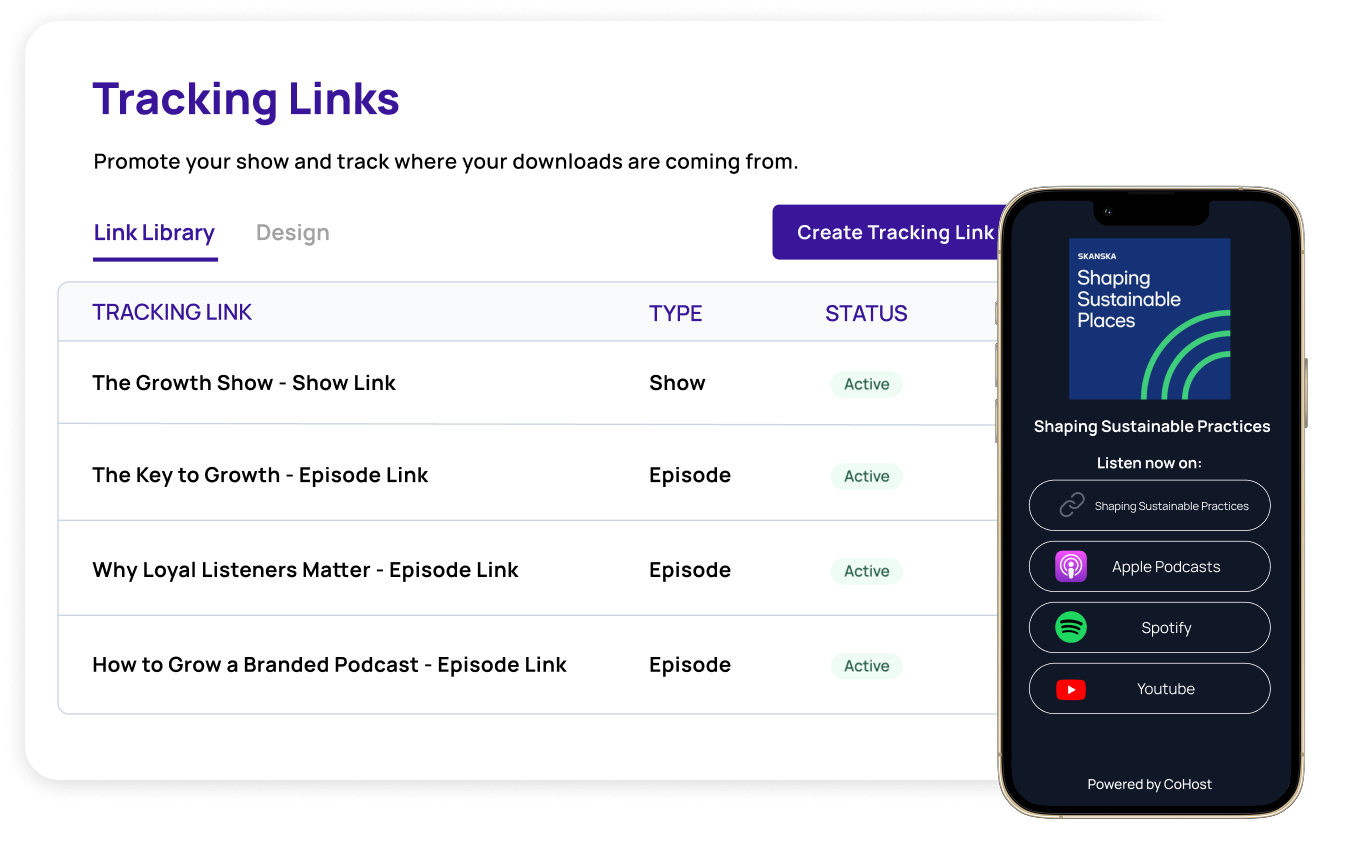
Not all channels and tactics are created equal. That’s where tracking links come in. As Fatima explains: “Tracking Links make it possible to move beyond assumptions and see exactly which channels, campaigns, and messages are driving real engagement.”

By monitoring where listeners come from and which tactics actually convert, you can:

  • Identify channels that perform best
  • Cut strategies that look good on paper but don’t drive results
  • Double down on marketing efforts that yield the most engagement

There are plenty of tools to help with this, from CoHost and Podscribe to Megaphone and Magellan AI. These services let you track everything from audio-to-web traffic to conversions across platforms, helping you make smarter, data-driven decisions. 

Ultimately, it’s about alignment. The goal isn’t to be everywhere; it’s to be where your listeners already are, and Tracking Links help you find that information. By combining these data-driven insights with a clear understanding of your ideal listener, you can focus on the channels and tactics that cultivate loyal fans.

2026 podcast growth tactics for your radar 

So what’s actually working to grow audiences in 2026? Jeff and Fatima shared insights from their agencies, Podglomerate and Quill. Here’s a breakdown of the tactics that are moving the needle:

1. Publicity

Publicity isn’t just about chasing downloads; it’s about credibility. Start by creating a media pipeline: a detailed list of reporters, publications, newsletters, and communities that cover topics aligned with your show. Prepare a press kit with a pitch, host bio, talking points, and relevant context for your episodes.

The goal here is to unlock opportunities for features, reviews, and interviews. While a single placement might not drive thousands of downloads, it builds trust within your niche and creates a snowball effect. 

2. Owned marketing

Your podcast doesn’t exist in isolation; treat it as the hub of a broader content ecosystem. Use your website, social media, email newsletters, partnerships, other podcasts, and live events to promote your episodes strategically.

Track everything with attribution tools and links so you know what’s performing. The more you understand which owned channels work best, the more you can optimize them, whether that’s LinkedIn posts, newsletter features, or repurposed video clips.

3. Cross-promotion

Collaborate with podcasts that share overlapping audiences through swaps, guest interviews, or feed drops. Target shows with similar or complementary attributes – like topics, demographics, and firmographics. 

Trading impressions with the right fit beats blasting your podcast to hundreds of mismatched shows. Fatima and Jeff suggest using tools like Podscribe or Podchaser to discover potential collaborators.

4. App pitches

Platforms like Apple and Spotify offer opportunities to feature your show editorially or algorithmically.

  • Editorial: Pitch new-and-noteworthy features, curated collections, or topic-specific highlights.
  • Algorithmic: Optimize titles, descriptions, thumbnails, and the first 60 seconds of your episode to improve visibility on apps like Spotify and YouTube. High engagement signals the algorithm to recommend your show to more listeners.

Tip: Boost Apple rankings by crowdsourcing ratings and reviews — pair this with the Apple placement form to increase your chances of being featured.

5. Paid growth

Paid tactics are still a key lever, but they need to be approached thoughtfully:

  • Audio ad buys: Promote your podcast on other shows or platforms. Track impressions and conversions to calculate ROI.
  • In-app placements: Buy banners in the Discover sections of podcast apps.
  • Social, display, and email campaigns: Leverage your audience insights to target the right people.

Jeff emphasizes that not all paid growth is equal. Some “miscellaneous” providers offer low-quality traffic that inflates downloads without delivering genuine engagement. Focus on metrics that matter: repeat listens, subscriptions, and active engagement, not just raw numbers.

6. Data-driven optimization

Across all tactics, the common thread is measurement. Use tracking links, pixels, and analytics to understand:

  • Which channels are bringing in loyal fans
  • What content does your audience engage with most
  • Where your efforts deliver tangible ROI

Data ensures your growth efforts are not wasted on tactics that look good on paper but fail in practice. To learn more, check out CoHost’s complete guide to podcast marketing attribution

The metrics that matter for audience growth 

Every drop-off, repeat listener, or binge session tells a story about what’s working and what isn’t. In 2026, successful podcasters aren’t just chasing reach; they’re learning from their audience in real time and using these insights to shape content and refine marketing. 

To wrap up our podcast growth conversation, Fatima and Jeff shared some of their top metrics to track that reflect real engagement, retention, and quality of listenership:

  • Consumption rate: Shows what percentage of each episode is listened to. A high consumption rate indicates that your content is engaging and holding attention, so the closer to 100%, the better. 
  • Drop-Off points: Reveals exactly where listeners stop paying attention. This insight allows you to refine intros, segment lengths, or pacing to keep audiences engaged throughout the episode.
  • New vs. returning listeners: Tracks whether your audience is loyal or mostly one-time samplers. Returning listeners indicate that your podcast is building a dedicated fan base, which is critical for sustainable growth.
  • Cost of listener attention: How much effort, time, and financial investment it takes to hold a listener’s focus on your podcast. 

Grow your show smarter this year

Podcast growth in 2026 isn’t about chasing vanity metrics or flooding directories with episodes. It’s about understanding your audience, measuring what matters, and applying those insights. The real wins come from knowing who your listeners are, where they spend their time, and how they engage with your content. 

Start by taking a hard look at your metrics: identify where drop-offs happen, which episodes bring people back, and which channels are actually driving engaged listens. Use these insights to refine your content, prioritize marketing channels that perform, and experiment with tactics that align with your audience’s habits. Small, data-driven adjustments, like tweaking episode length or optimizing titles for discovery, can have a big effect on growth over time.

Remember to check out CoHost to learn more about their podcast analytics and audience insights that can help inform a successful growth strategy. And be sure to connect with our friends at The Podglomerate .

Want to stay in the know about all things podcasting? Subscribe to Quill and The Podglomerate’s bi-weekly newsletters: 

Share

About the author

Tianna Marinucci is a content creation and digital marketing specialist. She graduated from McGill University in 2021 and has since worked in a variety of industries from interior design to technology.

After traveling to more than 60 countries and working in three, she is inspired by diverse cultures and motivated by unique experiences.

In her spare time, Tianna loves trying new foods, going to concerts, and learning more about history and socio-economics through books and podcasts.


More Like This

Podcast Marketing

Brand Camp Recap: Podcast Growth in 2026 With CoHost and The Podglomerate

Last updated on: 
January 29, 2026

What does podcast growth really look like in 2026? Get the key takeaways, metrics, and promotion strategies from Quill, CoHost, and The Podglomerate.

Launching a podcast has never been easier. Growing one? That’s where things get hard. 

You can spend months perfecting your format, booking incredible guests, and shipping great episodes, but without the right promotion and measurement, it’s hard to know if any of it is actually working. 

That’s exactly why we teamed up with CoHost and The Podglomerate to host “Podcast Growth in 2026: The Do’s, the Don’ts, and the Data Behind It.” In this webinar, Fatima Zaidi (Founder & CEO of Quill and CoHost) sat down with Jeff Umbro (CEO & Founder of The Podglomerate) to break down what podcast growth really looks like right now and what’s quietly holding many shows back.

Over the course of the hour, we dug into:

  • Actionable promotion strategies: From launch-day plays to always-on marketing that keeps audiences coming back
  • The metrics that matter: How to measure the impact of your promotion efforts and identify what’s truly moving the needle
  • Real-world examples: What’s working (and what’s not) for podcast growth in 2026, straight from the field

In case you couldn’t make it live, tune into the recording below or continue reading for the top takeaways:

The three key areas of podcast growth

Jeff and Fatima kicked things off with a simple but important framework: three questions to ask every podcast client:

  • “What do you want this podcast to do for you?”
  • “What will your listener get from this show?”
  • “How are you measuring whether this is actually working?”

Those questions lead directly to the three core areas that determine whether a podcast is truly growing:

1. Are you reaching the right people?

It’s not a hot take anymore, but we’ll say it again: driving downloads isn’t that hard. As Jeff put it, If you really only care about downloads, you can buy them.” 

The problem? Volume doesn’t equal listenership, and most brands don’t want exposure for exposure’s sake.

Real growth starts with clarity. Fatima framed it perfectly: “It’s better to be something to someone than everything to everyone.”

When you know exactly who your podcast is for, your marketing gets sharper, your messaging gets clearer, and your promotion actually converts. That means asking:

  • Where does your audience already spend time?
  • What other podcasts and media do they consume?
  • Which platforms help you reach listeners, not just impressions?

It also means balancing paid, owned, and earned channels rather than relying on generic ad tactics that look good on a dashboard but don’t translate to loyal listeners.

2. How engaged are they?

Downloads might tell you someone pressed play, but they don’t tell you if anyone stayed. To understand engagement, Jeff and Fatima emphasized looking into your podcast hosting and analytics platform data to see: 

  • Are listeners returning for future episodes?
  • Which episodes are people actually finishing?
  • Where do drop-offs happen?

Podcast analytics tools like CoHost offer consumption and listening-time metrics that reveal what’s resonating and what’s not. Too many ads? Episodes too long? Guests that miss the mark? Engagement data will let you know.

3. Are they sticking around?

Retention is where growth compounds. If people aren’t coming back, no amount of promotion will save you.

This is where data becomes a feedback loop. As Jeff explained, once you understand how your audience behaves, that insight should actively shape:

  • Your editorial strategy
  • Your episode structure and cadence
  • Your ongoing marketing approach

Make changes, track the impact, and then look back at the same metrics to see what moved the needle. Growth isn’t about chasing one-off spikes; it’s about building something people choose to return to.

Creating your ideal listener profile

Before you start planning episodes, booking guests, or designing your promotion strategy, you need to get crystal clear on who your podcast is actually for. That’s where creating an ideal listener profile comes in.

Start with specificity

Fatima explains: “The more specific that you can get, the better. Narrowing down your audience isn’t just more impactful, it’s easier to grow.”

For example, instead of targeting “all marketers,” you might focus on senior-level marketing managers at medium-sized tech brands. This specificity makes everything easier: episode topics, guest selection, titles, and promotion channels. A focused target allows you to speak directly to the people who are most likely to engage.

Use data to guide decisions

It’s not enough to guess who your listeners are; you need to measure it. As Fatima points out, “So many people making podcasts make decisions without actually looking at their data. What is it telling you about your audience?”

Look at your hosting platform or analytics tools to uncover who is listening, how they consume content, and what channels they prefer, whether that’s YouTube, LinkedIn, TikTok, or Spotify. 

You can tailor your editorial strategy to include guests and topics that resonate with the interests of your audience. In one example, Fatima shares how Quill has a client who speaks to founders, and after reviewing demographic data, they found the audience was also interested in health and fitness. So, they brought on founders from within the health and fitness space. The result? Consumption increased along with retention. 

Build and refine your personas

Your ideal listener profile isn’t static. Start by defining a few personas, for example:

  • Young marketing professional at an agency
  • Freelance social media manager
  • Team leader managing a medium-sized marketing team

From there, use surveys, beta tests, and audience feedback to validate and refine your assumptions. Analytics will tell you if you’re reaching the right people, and engagement data will show if they’re sticking around.

In short, understanding your audience is the foundation of effective podcast growth. Know who they are, where they spend time, and what they care about to help inform everything from your content to your marketing strategy. 

Tip: Download CoHost’s Ideal Listener Persona Worksheet to identify your target listener, information that you can share with your team and other stakeholders, so they can understand who exactly your podcast is targeting.

How to verify you’re reaching your target audience

Once you know who your ideal listener is, the next step is figuring out where and how to reach them. Fatima sums it up well: “Instead of trying to force discovery inside the crowded podcast directories, looking at all of this data allows you to meet your audiences in environments they already trust.”

It’s not enough to just drop your episodes on Apple or Spotify and hope people find them. Most podcasts are evergreen content with massive repurposing potential, and every episode can fuel a broader content ecosystem:

Jeff shared a great example of this in action: a client interviewed potential leads on their podcast, turned the conversation into multiple assets, from blog posts to whitepapers, and then followed up with the guest later to build a relationship that could convert into business.

Not all channels and tactics are created equal. That’s where tracking links come in. As Fatima explains: “Tracking Links make it possible to move beyond assumptions and see exactly which channels, campaigns, and messages are driving real engagement.”

By monitoring where listeners come from and which tactics actually convert, you can:

  • Identify channels that perform best
  • Cut strategies that look good on paper but don’t drive results
  • Double down on marketing efforts that yield the most engagement

There are plenty of tools to help with this, from CoHost and Podscribe to Megaphone and Magellan AI. These services let you track everything from audio-to-web traffic to conversions across platforms, helping you make smarter, data-driven decisions. 

Ultimately, it’s about alignment. The goal isn’t to be everywhere; it’s to be where your listeners already are, and Tracking Links help you find that information. By combining these data-driven insights with a clear understanding of your ideal listener, you can focus on the channels and tactics that cultivate loyal fans.

2026 podcast growth tactics for your radar 

So what’s actually working to grow audiences in 2026? Jeff and Fatima shared insights from their agencies, Podglomerate and Quill. Here’s a breakdown of the tactics that are moving the needle:

1. Publicity

Publicity isn’t just about chasing downloads; it’s about credibility. Start by creating a media pipeline: a detailed list of reporters, publications, newsletters, and communities that cover topics aligned with your show. Prepare a press kit with a pitch, host bio, talking points, and relevant context for your episodes.

The goal here is to unlock opportunities for features, reviews, and interviews. While a single placement might not drive thousands of downloads, it builds trust within your niche and creates a snowball effect. 

2. Owned marketing

Your podcast doesn’t exist in isolation; treat it as the hub of a broader content ecosystem. Use your website, social media, email newsletters, partnerships, other podcasts, and live events to promote your episodes strategically.

Track everything with attribution tools and links so you know what’s performing. The more you understand which owned channels work best, the more you can optimize them, whether that’s LinkedIn posts, newsletter features, or repurposed video clips.

3. Cross-promotion

Collaborate with podcasts that share overlapping audiences through swaps, guest interviews, or feed drops. Target shows with similar or complementary attributes – like topics, demographics, and firmographics. 

Trading impressions with the right fit beats blasting your podcast to hundreds of mismatched shows. Fatima and Jeff suggest using tools like Podscribe or Podchaser to discover potential collaborators.

4. App pitches

Platforms like Apple and Spotify offer opportunities to feature your show editorially or algorithmically.

  • Editorial: Pitch new-and-noteworthy features, curated collections, or topic-specific highlights.
  • Algorithmic: Optimize titles, descriptions, thumbnails, and the first 60 seconds of your episode to improve visibility on apps like Spotify and YouTube. High engagement signals the algorithm to recommend your show to more listeners.

Tip: Boost Apple rankings by crowdsourcing ratings and reviews — pair this with the Apple placement form to increase your chances of being featured.

5. Paid growth

Paid tactics are still a key lever, but they need to be approached thoughtfully:

  • Audio ad buys: Promote your podcast on other shows or platforms. Track impressions and conversions to calculate ROI.
  • In-app placements: Buy banners in the Discover sections of podcast apps.
  • Social, display, and email campaigns: Leverage your audience insights to target the right people.

Jeff emphasizes that not all paid growth is equal. Some “miscellaneous” providers offer low-quality traffic that inflates downloads without delivering genuine engagement. Focus on metrics that matter: repeat listens, subscriptions, and active engagement, not just raw numbers.

6. Data-driven optimization

Across all tactics, the common thread is measurement. Use tracking links, pixels, and analytics to understand:

  • Which channels are bringing in loyal fans
  • What content does your audience engage with most
  • Where your efforts deliver tangible ROI

Data ensures your growth efforts are not wasted on tactics that look good on paper but fail in practice. To learn more, check out CoHost’s complete guide to podcast marketing attribution

The metrics that matter for audience growth 

Every drop-off, repeat listener, or binge session tells a story about what’s working and what isn’t. In 2026, successful podcasters aren’t just chasing reach; they’re learning from their audience in real time and using these insights to shape content and refine marketing. 

To wrap up our podcast growth conversation, Fatima and Jeff shared some of their top metrics to track that reflect real engagement, retention, and quality of listenership:

  • Consumption rate: Shows what percentage of each episode is listened to. A high consumption rate indicates that your content is engaging and holding attention, so the closer to 100%, the better. 
  • Drop-Off points: Reveals exactly where listeners stop paying attention. This insight allows you to refine intros, segment lengths, or pacing to keep audiences engaged throughout the episode.
  • New vs. returning listeners: Tracks whether your audience is loyal or mostly one-time samplers. Returning listeners indicate that your podcast is building a dedicated fan base, which is critical for sustainable growth.
  • Cost of listener attention: How much effort, time, and financial investment it takes to hold a listener’s focus on your podcast. 

Grow your show smarter this year

Podcast growth in 2026 isn’t about chasing vanity metrics or flooding directories with episodes. It’s about understanding your audience, measuring what matters, and applying those insights. The real wins come from knowing who your listeners are, where they spend their time, and how they engage with your content. 

Start by taking a hard look at your metrics: identify where drop-offs happen, which episodes bring people back, and which channels are actually driving engaged listens. Use these insights to refine your content, prioritize marketing channels that perform, and experiment with tactics that align with your audience’s habits. Small, data-driven adjustments, like tweaking episode length or optimizing titles for discovery, can have a big effect on growth over time.

Remember to check out CoHost to learn more about their podcast analytics and audience insights that can help inform a successful growth strategy. And be sure to connect with our friends at The Podglomerate .

Want to stay in the know about all things podcasting? Subscribe to Quill and The Podglomerate’s bi-weekly newsletters: 

Tianna Marinucci

Content Marketing Specialist

Tianna Marinucci is a content creation and digital marketing specialist. She graduated from McGill University in 2021 and has since worked in a variety of industries from interior design to technology.

After traveling to more than 60 countries and working in three, she is inspired by diverse cultures and motivated by unique experiences.

In her spare time, Tianna loves trying new foods, going to concerts, and learning more about history and socio-economics through books and podcasts.
Platform
Price
Pro’s
Con's
Anchor

Free

  • Easy to use
  • Automatically distributes your podcast to major platforms.
  • Embed media player.
  • Great if podcasting is a
    side hobby
  • Very basic editing
  • Since it’s a free tool, you don’t have full control over the monetization of your podcast.
  • Not the right platform for people taking podcasting seriously
Buzzsprout

Free for 2 hours of content per month

$12 for 3 hours per month

$18+ for 6 hours and up

  • Very user-friendly
  • Caters to both long term and beginner podcasters
  • Advanced analytics
  • Easy distribution of your episodes
  • They measure their size requirements to hours not megabytes
  • Bonus: get a free $20 Amazon gift card when you sign up for any paid hosting plan!
  • Advanced features like dynamic ad insertion need some work
Libsyn

$5/month for Monthly Storage 50mb

  • Oldest podcast hosting site.
  • Easy distribution to major platforms and great for scaling once your podcast gets bigger.
  • Hosted over 35,000 podcasts.
  • An iTunes Podcast partner.
  • Allows you to publish your podcast to specific directories.
  • Embed media player.
  • Price is based on storage
  • 50mb storage for $5 won’t be enough if you are publishing weekly so you’ll end up with a higher price point
Podbean

Unlimited audio package: $9/month

Storage space:

Unlimited

  • Great support & customer service features
  • Unlimited audio.
  • Pages are easy to customize
  • Can schedule podcast release dates.
  • Easy to use.
  • Uploads and changes to podcast titles and/or descriptions are automatic to Spotify.
  • Embed media player.
  • Simple Analytics
  • Analytics aren’t as advanced as other platforms
  • Upload and changes to podcast titles and/or descriptions take a day to change on iTunes.
  • Not an iTunes podcast partner.
  • The process to send a podcast to iTunes is more tedious. But, you will still be able to get on the platform.
Blubrry

Classic

$5/month

Monthly Storage

50mb

  • Podcast Wordpress plugin and management.
  • If you want to record a new introduction or conclusion, add in a sponsored ad or upload a new version of a podcast, it doesn't count towards your storage usage per month.
  • Blubrry allows a 25% storage overage each month
  • Prices are based on storage.
  • Usability is okay.
SimpleCast

Starting: $15/month

Recommendation: $35/month

Monthly Storage: Unlimited

  • Hosts your audio files no matter what the size!
  • Dynamic insertion for podcast ads or edits.
  • Incredibly detailed analytics including number of episodes completed and listener location tracking.
  • Embed media player.
  • Easy to use.
  • Great distribution! Easy access to all major podcast platforms.
  • Customizable podcast
    website.
  • Prices are slightly higher than other platforms, but well worth it especially if you have a branded company podcast!

Looking to generate reach, leads, and measurable results?

Chat with our experts about your podcast

chat with ouR team